
Loading...
Loading...
Loading...
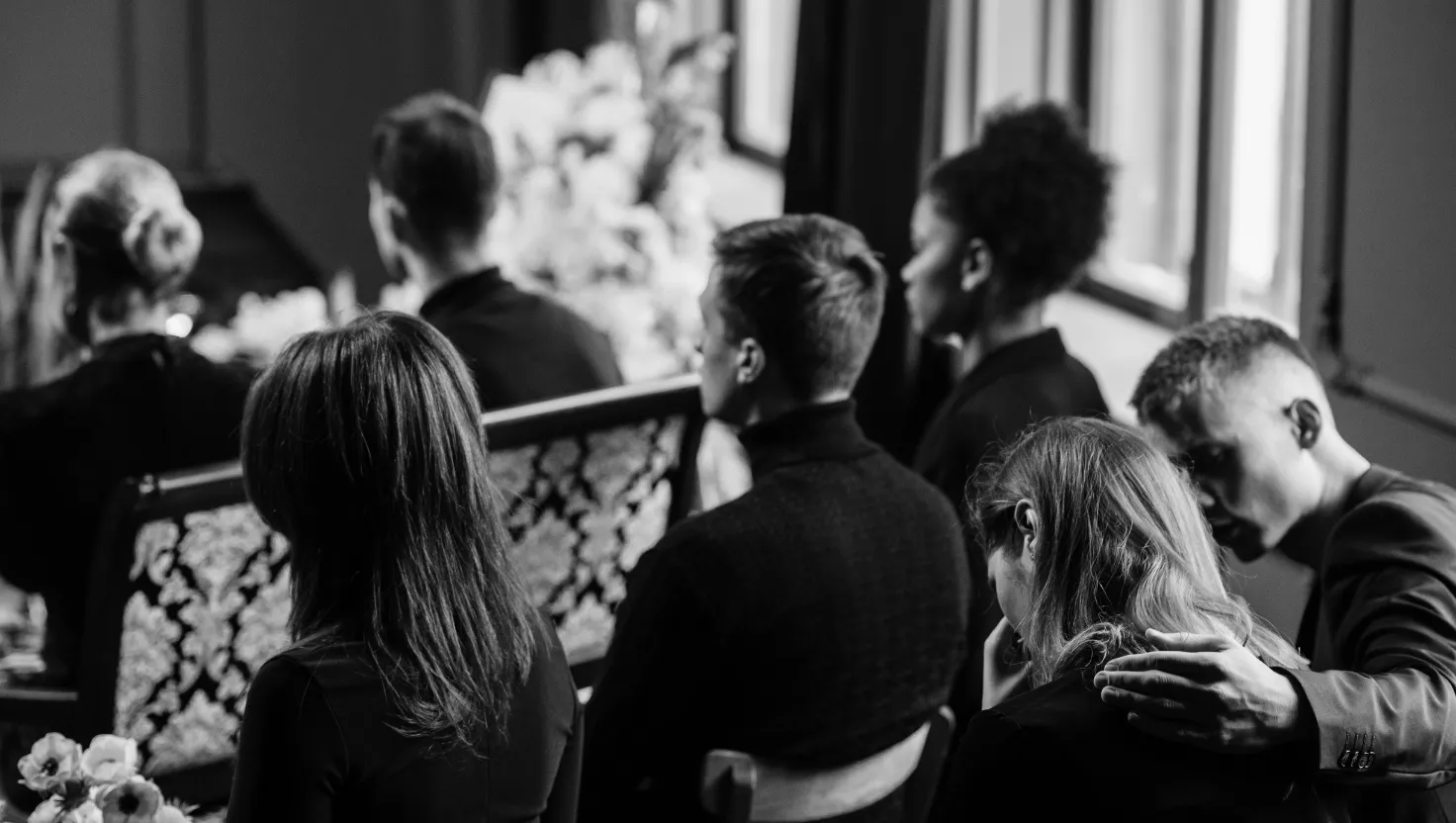
Nobody wants to be "that person" at a funeral. You know, the one who accidentally sends bright yellow sunflowers to a solemn Catholic service, or worse, shows up with a "Get Well Soon" balloon attached to their sympathy arrangement. Yet every year, thousands of well-meaning people make funeral flower mistakes that leave families confused, hurt, or even offended.
I've been working with grieving families for over a decade, and I've seen it all. The good news? Most funeral flower disasters are completely preventable once you know what to watch out for. Let me share the most common mistakes people make—and more importantly, how you can avoid them.
Last month, a family called us in tears. Their grandmother's funeral was at 2 PM, but the beautiful casket spray they'd ordered was sitting in a funeral home across town. The mix-up happened because there were two funeral homes with similar names, and the family had given us the wrong address.
What went wrong: They assumed we'd know which funeral home they meant and didn't double-check the delivery address.
How to avoid it: Always provide the complete address of the funeral home, church, or venue. Include the deceased's full name and the date of service. If you're unsure about the location, call the funeral home directly to confirm. It takes two minutes and could save you from a heartbreaking mistake.
When people search for "funeral flowers near me" or "where to send funeral flowers," they're often confused about delivery locations. Some families hold the viewing at one location and the service at another. Make sure you know which location should receive your flowers.
Pro tip: Some families hold the viewing at one location and the service at another. Make sure you know which location should receive your flowers.
Picture this: A grieving widow opens the card on a bright, cheerful arrangement of orange marigolds and hot pink gerbera daisies. The card reads, "Thinking of you during this difficult time." The flowers, however, scream "Congratulations on your promotion!"
What went wrong: The sender chose flowers based on what they liked, not what was appropriate for the occasion.
How to avoid it: Stick to traditional funeral flowers for most situations. White lilies, roses, and carnations are safe choices that convey respect and sympathy. If you want to add color, choose soft pastels like pale pink, lavender, or cream.
Many people wonder "what flowers are appropriate for funerals" or search for "funeral flower colors meaning." Understanding these basics can save you from sending inappropriate arrangements.
When bright colors work: If the deceased specifically loved bright colors or the family has requested a "celebration of life" with vibrant flowers, then colorful arrangements are appropriate. When in doubt, ask the family or choose classic white flowers.
A well-meaning friend once sent an elaborate flower arrangement to a Jewish family, not realizing that in many Jewish traditions, flowers aren't typically sent to funerals. The family appreciated the thought but felt awkward about the gesture.
What went wrong: The sender didn't consider the family's religious or cultural background.
How to avoid it:
Here’s a simple guide to which flowers are appropriate for different cultures and religions:
People often search for phrases like “funeral flowers for Jewish families” or “appropriate flowers for Muslim funerals” because they want to be respectful and culturally sensitive.
The safest approach: When in doubt, ask a close family member or friend about their preferences to ensure your gesture is thoughtful and appropriate.
At Rest in Blooms, we help you select the right flowers for any tradition. Our curated collections include culturally sensitive options like white lilies, orchids, and more, so you can express sympathy with confidence and respect.
I once watched a delivery driver interrupt a funeral service to deliver flowers. The entire congregation turned to stare as he walked down the aisle with a large arrangement, completely disrupting the eulogy.
What went wrong: The flowers were ordered for same-day delivery without considering the service schedule.
How to avoid it:
Many people search for "when to send funeral flowers" or "funeral flower delivery timing" because they're unsure about proper etiquette. Getting the timing right shows respect for the family and the service.
Emergency situations: If you absolutely must send flowers on the day of service, call the funeral home first to confirm the best delivery time.
"At least he's not suffering anymore." "Everything happens for a reason." "God needed another angel." These well-intentioned messages can actually hurt grieving families more than help them.
What went wrong: The sender tried to provide comfort but ended up minimizing the family's grief or imposing their own beliefs.
How to avoid it: Keep messages simple and heartfelt:
People often search for "what to write on funeral flower card" or "sympathy card messages for flowers" because they want to say the right thing. Simple, sincere messages work best.
What to avoid: Religious messages (unless you know the family shares your beliefs), clichés about death being "better," or anything that suggests the family should feel differently than they do.
Nothing says "I didn't plan ahead" like wilted flowers at a funeral. I've seen arrangements arrive looking like they'd been through a blender, leaving families embarrassed and florists scrambling to make replacements.
What went wrong: The flowers were either old when arranged, improperly cared for, or exposed to extreme temperatures during delivery.
How to avoid it:
When people search for "best funeral flowers that last long" or "funeral flowers that don't wilt quickly," they're looking for practical advice about flower longevity.
Red flags: If a florist can't guarantee delivery timing or freshness, find someone else. Funeral flowers are too important to risk on unreliable service.
Here's something most people don't think about: What happens to all those flowers after the funeral? I've seen families struggle to transport dozens of arrangements, and many beautiful flowers end up abandoned at the funeral home.
What went wrong: Everyone sent large arrangements without considering the family's ability to transport or care for them.
How to avoid it:
Many families search for "what to do with funeral flowers after service" or "how to transport funeral arrangements" because they're overwhelmed by the logistics.
Thoughtful alternatives: A donation to the deceased's favorite charity, a meal delivery service, or a beautiful plant for the family's garden can be more practical than traditional cut flowers.
With seamless coordination and trusted local florists, we ensure every tribute is thoughtfully crafted and delivered with care—right where it’s needed, when it matters most.